If your boiler has started making banging, whistling or gurgling noises, it can be worrying. These sounds are often linked to a problem known as kettling and, while your heating may still work, it is a warning sign you should not ignore.
What boiler kettling actually is
Kettling gets its name because the boiler starts to sound a bit like a kettle on the boil. Inside the boiler, water should flow smoothly over the heat exchanger and warm up evenly. When something restricts that flow, hot spots can form and the water can bubble or turn to steam.
This bubbling and rapid expansion of water and steam creates noise. You might hear rumbling, whistling, hissing or a low roaring sound, especially when the boiler first fires up. Kettling can put extra strain on components and, if left untreated, may reduce the life of your boiler.
Normal boiler sounds compared to problem noises
All boilers make some noise during operation, so it is useful to know what is normal and what signals a fault. A gentle hum, the fan starting, and occasional soft clicking as components switch on and off are usually nothing to worry about.
Warning sounds that should be checked by an engineer include:
Loud banging, knocking or clunking when the boiler fires
Persistent whistling, screeching or high-pitched noises
Deep rumbling or kettling sounds that get worse over time
Continuous gurgling from the boiler or radiators
If you hear noises that are new, unusually loud or getting more frequent, it is sensible to switch the boiler off and seek professional advice.
Main causes of kettling and banging noises
Several issues can lead to kettling or other worrying boiler noises. Some are related to water quality, while others involve failing components or incorrect system settings.
Limescale on the heat exchanger
In hard-water areas, minerals such as calcium and magnesium build up inside the boiler and pipework. Over time, this limescale can coat the heat exchanger, which is the part that transfers heat from the burner to the water.
When limescale forms, it acts like an insulating blanket. The metal overheats in places and can cause the water to boil in small pockets, leading to kettling, banging and rumbling noises. Hard-water regions are much more prone to this, especially if there is no scale protection in place.
Sludge and restricted water flow
Sludge is a mix of rust particles, dirt and other debris that settles in radiators and pipework. As it gathers, it can clog pipes and narrow passages inside the boiler, especially around the heat exchanger.
This restriction slows the flow of water so it spends too long in the hottest parts of the boiler. The result can be kettling, gurgling and uneven heating around your home.
Trapped air and circulation issues
Air can enter the heating system after maintenance, through small leaks or as a result of corrosion. Pockets of air in radiators or pipework disturb the normal flow of water and can cause gurgling or knocking noises.
If the circulation pump is failing, set incorrectly or blocked, water may not move through the system at the right speed. This can again create hot spots, kettling and banging as the boiler struggles to move heated water away.
Thermostat and control problems
If the boiler thermostat, cylinder thermostat or controls are faulty or set poorly, the boiler may run hotter than it should. This can cause water to overheat and boil in places, increasing both kettling noises and stress on components.
Miscommunication between room thermostats, programmers and the boiler can also lead to frequent short cycling, which can exaggerate any existing kettling or banging issues.
Checks and actions homeowners can safely take
While internal boiler work must be left to a Gas Safe registered engineer, there are a few sensible checks you can do yourself.
Check the boiler pressure
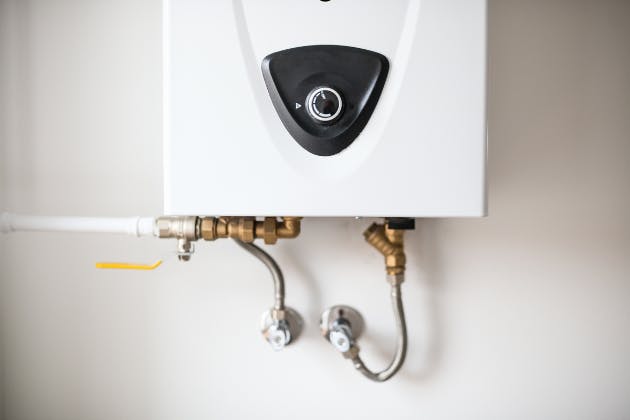
Look at the pressure gauge on your boiler when the system is cold. Most domestic boilers work best between around 1.0 and 1.5 bar, but always check your manual for the exact range.
If the pressure is very low or very high, note the reading. Some manufacturers allow topping up via a filling loop, but if you are unsure or the pressure keeps drifting, contact an engineer rather than repeatedly adjusting it yourself.
Bleed radiators if suitable
If you can hear gurgling in radiators or notice cold spots at the top, it may be trapped air. Bleeding radiators with a proper radiator key can often clear this, but always turn the heating off first and protect carpets from any drips.
After bleeding, check the boiler pressure again, as releasing air can cause the pressure to drop slightly.
Review your thermostat and programmer settings
Check that your room thermostats, cylinder thermostat (if you have one) and programmer are set to sensible, consistent temperatures and times. Constantly turning the system on and off at the mains can stress components and magnify noise problems.
Make sure the boiler is not set to an excessively high flow temperature, particularly in milder weather. Small adjustments here may help reduce stress on the system.
Note any fault codes or patterns
If your boiler shows a fault code or flashing light, take a clear photo or write down the exact code. Also note when the noise happens, for example only on hot water, only on heating, or both.
This information is very helpful for the engineer and can speed up diagnosis and repair.
Safety warnings you must not ignore
Noise alone rarely means an immediate safety emergency, but there are certain signs that require urgent action. Safety should always come before comfort when it comes to gas appliances.
A burning, melting or electrical smell around the boiler
Black marks, soot or staining on or above the boiler
Feeling dizzy, sick, unusually tired or short of breath when the boiler is on
The boiler flame burning yellow or orange instead of a clear blue
If you notice any of these, turn the boiler off, ventilate the room and do not use the appliance again until it has been checked. If you suspect carbon monoxide exposure, seek medical help and contact the gas emergency number immediately.
How an engineer can resolve kettling and banging issues
A qualified heating engineer has the tools and training to look inside the boiler, test components and check combustion safely. They will aim to find the root cause of the noise rather than just quieten it for a short time.
System cleaning and powerflushing
If sludge is restricting flow, the engineer may recommend a system clean or powerflush. This involves circulating cleaning chemicals through the heating system to lift sludge, rust and debris from radiators, pipework and the boiler.
Once cleaned, adding a corrosion inhibitor helps slow the build-up of new sludge. This can improve efficiency, reduce noise and help protect your boiler and radiators.
Limescale treatment and prevention
Where kettling is caused by limescale, the engineer may use specialist cleaners or, in more severe cases, replace a badly scaled heat exchanger. In hard-water areas, they might also suggest scale reduction measures to help protect the system.
Regular maintenance and appropriate water treatment are especially important if you live in a hard-water region, as they can significantly reduce limescale-related faults and noise.
Magnetic filters and component repairs
Fitting a magnetic filter on the heating return pipe can capture rust particles before they reach the boiler. This helps keep the water cleaner for longer and supports quieter, more reliable operation.
The engineer may also test and, if needed, repair or replace key parts such as the circulation pump, thermostats, sensors or control boards. Addressing worn or failing components is often essential to stop kettling returning.
Booking boiler repair or servicing in your area
If your boiler is kettling, banging or making any worrying noises, it is important not to ignore the signs. A professional inspection can usually pinpoint the issue and prevent more serious damage.
Able Plumbing Services provides expert boiler repairs and boiler servicing across Northamptonshire and Milton Keynes. To arrange a visit from a qualified engineer, contact Able Plumbing Services on 07756709591 and get your heating system checked safely and professionally.