If you are booking a boiler service, it helps to know exactly what your Gas Safe engineer will do in your home. Understanding the checks involved can be reassuring and shows how a proper service supports safety, reliability and comfort for the year ahead.
What to expect before the boiler service starts
Your engineer will usually start with a short chat and some basic questions. This helps them understand how your heating has been performing and whether there are any specific issues to look out for.
Common things a Gas Safe engineer may ask include:
Have you noticed any strange noises, smells or leaks from the boiler or pipework?
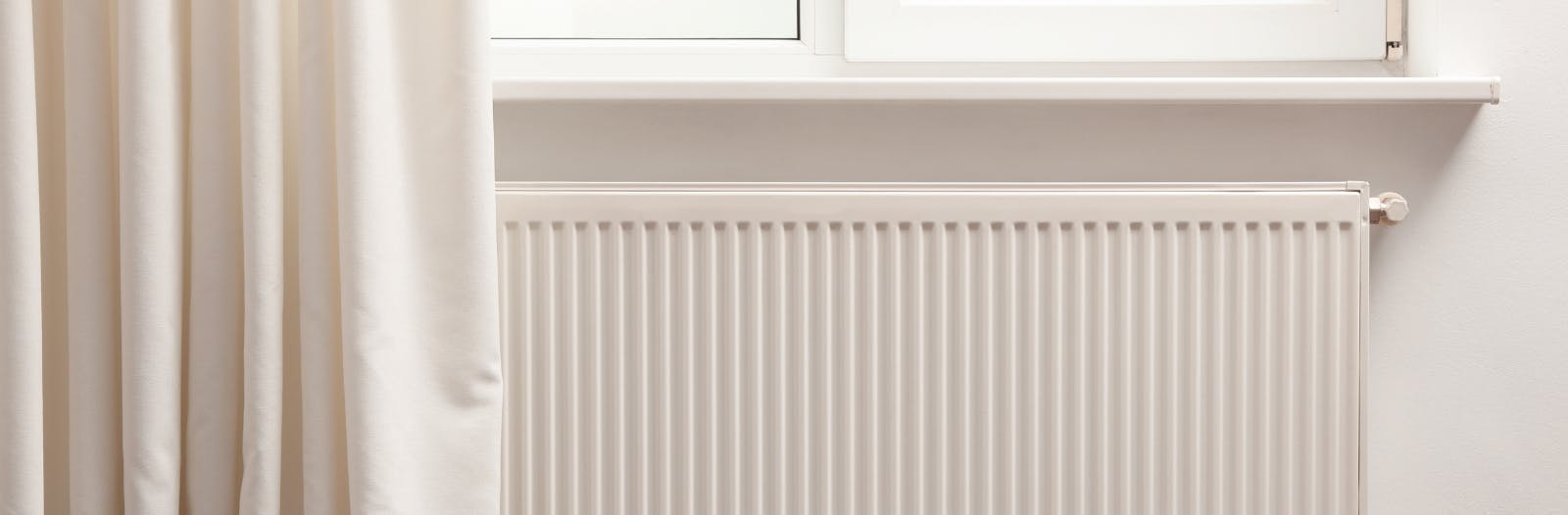
Are all your radiators heating up evenly, or do some stay cold or only heat at the top?
Have you had to top up the boiler pressure regularly?
Have any fault codes appeared on the boiler display?
In many Northamptonshire and Milton Keynes homes, there is a mix of older radiators and pipework with newer boilers. These questions help the engineer spot early signs of circulation issues that might not be obvious day to day.
Visual checks of your boiler and surrounding pipework
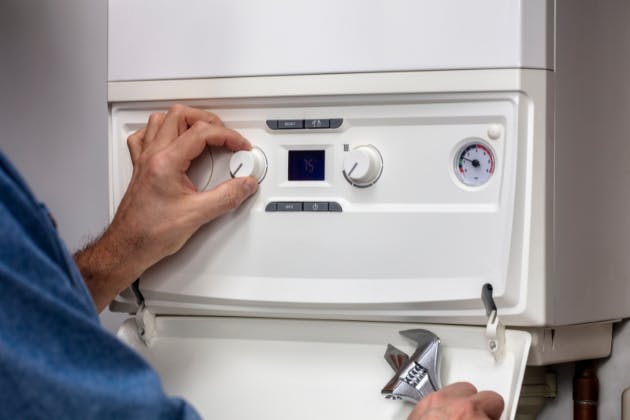
The engineer will carry out a careful visual inspection of the appliance and nearby pipework. They are looking for any obvious signs of wear, damage or incorrect installation that could affect safe operation.
This typically includes checking that the flue route looks correct, that there are no signs of water damage or staining, and that ventilation requirements are met where relevant. The engineer will also look at joints and connections for any signs of leaks or corrosion.
In properties with older systems, it is common to see ageing radiators linked to a relatively modern boiler. Visual checks can highlight issues such as sludging, older valves starting to fail or pipework that may be restricting flow around the system.
Combustion checks and flue integrity
One of the most important parts of a boiler service is confirming that the boiler is burning gas safely and that combustion products are carried safely out of the property. Your engineer will follow the manufacturer’s instructions for your particular model.
Typically, this involves checking the flame picture (where visible) and using appropriate test equipment to confirm that combustion readings are within safe limits. They will also check that the flue is securely fitted, correctly supported and shows no signs of damage or leakage.
You will not usually see anything dramatic happening, but these tests are key for protecting you from potentially harmful gases and ensuring the boiler is running efficiently.
Cleaning, seals and safety devices
Depending on the boiler type and its condition, the engineer may remove the boiler case (as permitted under Gas Safe rules) to access internal components.
Common service tasks include cleaning key components such as the burner, heat exchanger and ignition or flame sensing parts if they have become soiled. This helps the boiler light reliably and run more smoothly.
The engineer will also check seals, gaskets and safety devices for wear or damage. This can include safety thermostats, pressure relief components and, for modern boilers, checks around condensate traps and pipework to make sure they are clear and correctly installed.
Checking system pressure, controls and radiators
A service is not just about the boiler in isolation. Your engineer will usually check the system pressure, top it up if appropriate and confirm that the pressure rises and falls in a normal way when the heating is running.
They will operate your heating controls to ensure everything responds as expected. This can include room thermostats, programmer or timer, and any thermostatic radiator valves. If controls are not set up optimally, the engineer can often offer simple advice to help you use them more effectively.
In Northamptonshire and Milton Keynes, where many homes have older radiators on modern boiler systems, your engineer may comment on radiators that are not heating properly, show signs of internal sludge or have valves that are starting to seize. Catching these circulation issues early can prevent breakdowns and uneven heating later on.
What happens after the boiler service
Once the checks and any cleaning are complete, your Gas Safe engineer will run the boiler through a full heat cycle. This confirms that it starts correctly, runs smoothly and shuts down as expected.
They should then complete a service record, which may be a paper form or added to a digital record. For landlords, this is important evidence that gas appliances are being maintained correctly. For homeowners, it supports the boiler warranty and provides a clear history of maintenance.
If the engineer finds any issues, they will explain these in plain language and recommend any remedial repairs or further work. In many cases, these are minor adjustments or future recommendations, but if something more serious is found, you will be given clear options and advice.
How annual servicing supports safety and reliability
Having the boiler serviced each year by a Gas Safe engineer helps keep it working safely and efficiently. Small issues can be picked up before they turn into inconvenient breakdowns, especially during cold weather when the boiler is working hardest.
Regular servicing is particularly valuable in mixed-age systems, where older pipework and radiators can affect the performance of a newer boiler. Early warning of circulation problems, failing valves or system contamination gives you time to plan sensible upgrades rather than face emergency repairs.
Boiler service FAQs
Is an annual service required?
For most manufacturers, an annual service is required to keep the warranty valid. Even once the warranty has expired, yearly servicing is strongly recommended to maintain safety and reliability.
Landlords are legally responsible for ensuring gas appliances are checked annually, and a documented service forms a key part of meeting that duty.
How long does it take?
A standard boiler service typically takes around 45 to 60 minutes, depending on the boiler type, access and any issues found. More complex systems or boilers that have not been serviced for a long time may take a little longer.
What should I do before the engineer arrives?
To help the service go smoothly, make sure the engineer can easily access the boiler, flue route and any controls they may need to test. Clear away items stored directly around the boiler cupboard or in front of it.
If you can, have any previous service records to hand and make a note of any recent issues such as pressure loss, cold radiators or unusual noises. Sharing these details at the start of the visit helps the engineer focus on the right areas.
Ready to book your boiler service?
If you are in Northamptonshire or Milton Keynes and want a thorough, professional boiler service carried out by a Gas Safe engineer, Able Plumbing Services can help. We will explain what we are doing, answer your questions and provide clear, honest advice about your heating system.
To arrange a boiler service or talk through any concerns, visit our contact page or call Able Plumbing Services on 07756709591. You can also find more information on our boiler servicing page.