If your boiler keeps losing pressure, it can be worrying, especially as it often seems to happen on the coldest days. The good news is that a pressure drop usually gives you some clear clues, and there are a few safe checks you can do before calling an engineer.
Understanding normal boiler pressure
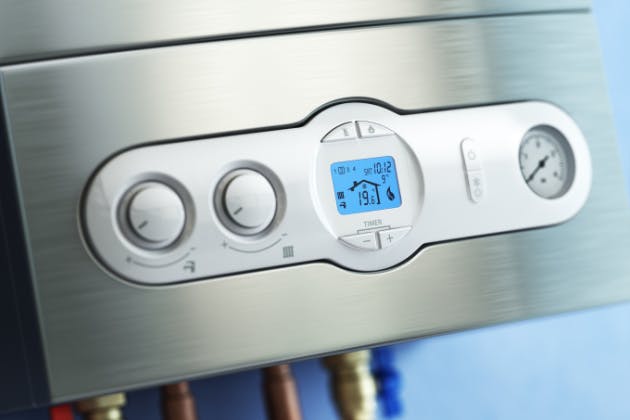
Most modern sealed system boilers have a pressure gauge on the front, showing the pressure in bars. When the system is cold, it typically sits somewhere around 1 to 1.5 bar.
As the heating comes on and the water heats up, the pressure usually rises a little. A small increase is normal, but it should not be shooting up near the maximum red zone on the gauge. If you are ever unsure, check your boiler manual for the recommended cold operating pressure.
If your pressure keeps dropping below 1 bar, or your boiler locks out and shows a low pressure fault, there is an issue that needs attention, even if you can top it up temporarily.
Signs your boiler is losing pressure
A dropping pressure gauge is the most obvious sign, but there are other symptoms that often appear at the same time. These can help you work out what is going on before it turns into a breakdown.
Radiators with cold spots at the top or bottom
Gurgling or trickling noises in pipes or radiators
Having to top up the boiler more than once every few months
Pressure rising when the heating is on, then dropping too low when off
Boiler cutting out or showing low pressure warning messages
If you are topping up the system weekly, or even daily, the issue needs investigating by a Gas Safe engineer rather than just adding more water.
Main reasons boiler pressure keeps dropping
There are a handful of common causes that account for most pressure issues. Some are simple, others need professional attention, but all should be treated calmly and safely.
Small leaks on radiators or pipework
Minor leaks are one of the most frequent reasons for pressure loss. These are often around radiator valves, joints in the pipework, or under floorboards where you cannot easily see them.
You might spot green or white crusty marks on copper pipes, or find a slightly damp patch on carpet or flooring. Even a tiny, slow leak will cause the pressure to drop over time.
Pressure relief valve discharging
The pressure relief valve (PRV) is a safety device that lets water out of the system if the pressure gets too high. If it has activated repeatedly, it can start to weep constantly.
Outside your home you will usually find a small copper pipe pointing towards the ground. If this is dripping or has staining below it, your PRV may be passing and allowing pressure to drop.
Expansion vessel problems
The expansion vessel gives the heated water in your system room to expand without sending the pressure sky high. If the air side of the vessel loses pressure, or the internal membrane fails, the pressure will swing up and down more dramatically.
A common pattern is pressure rising too high when the heating is on, then dropping very low once it cools. Expansion vessel checks and recharging should only be carried out by a qualified engineer.
Recently bled radiators
Bleeding radiators releases trapped air, which is helpful for cold spots, but it also lowers the system pressure. If you have recently bled several radiators, the gauge will often fall afterwards.
A one off top up via the filling loop is usually all that is needed. If the pressure keeps dropping after this, there is likely another issue at play.
Filling loop left open or not sealing properly
The filling loop is used to add water to the system from the mains. If its valve is not fully closed, or the internal components are worn, it can cause pressure problems and sometimes allow water to escape back the other way.
If you are unsure about how the filling loop should sit when closed, or you find you are constantly using it, it is time to ask a Gas Safe engineer to take a look.
Safe checks you can carry out yourself
There are a few basic visual checks that are safe for most homeowners, as long as you do not remove the boiler case or tamper with internal components. If in doubt, stop and speak to a professional.
Look around radiators and visible pipes for damp patches or staining
Check the external PRV discharge pipe for drips or water marks
Note the pressure when the system is cold and again when fully hot
To track the pressure, turn the heating off and let the system cool completely. Note the pressure reading. Then turn the heating on, wait 30 to 60 minutes, and check again. A modest rise is normal, but big swings up and down usually point to an underlying fault.
Never remove boiler covers, never undo any pipe connections, and do not try to adjust anything inside the boiler. If you smell gas, suspect a leak, or are worried about carbon monoxide, switch the appliance off, ventilate the area and call the gas emergency number immediately.
Hard water in Northamptonshire & Milton Keynes
Homes in Northamptonshire and Milton Keynes are in a hard water area. Over time, limescale and debris can build up inside boilers, pumps and valves, putting extra strain on components.
This extra wear can contribute to issues such as faulty PRVs, blocked heat exchangers, or expansion vessels that fail earlier than expected, all of which can affect boiler pressure. Regular servicing can spot early signs of these problems before they lead to frequent breakdowns.
A Gas Safe engineer can also advise on system filters, scale reducers and other water treatment options that help protect your boiler in hard water areas.
When to stop and call a Gas Safe engineer
While basic checks are fine, anything involving tools, internal boiler parts, gas supply or electrical work is strictly for professionals. Working on gas appliances without the right qualifications is unsafe and illegal.
You should call a Gas Safe engineer if you are topping up pressure frequently, can see signs of leaks, notice water discharging outside, or the pressure swings are getting worse. The engineer can test components, check for hidden leaks and set the system up correctly.
If you ever smell gas, hear hissing near gas pipework, or suspect carbon monoxide (such as headaches, nausea or sooty marks around the boiler), turn everything off, open windows, leave the property and call the gas emergency service number without delay.
Need help with a boiler losing pressure?
If your boiler in Northamptonshire or Milton Keynes keeps losing pressure, it is better to get it checked than keep topping it up. A prompt visit from a qualified engineer can protect both your heating system and your safety.
Able Plumbing Services can investigate pressure loss, trace leaks, repair faulty components and advise on protecting your boiler in our hard water area. To arrange a visit, call 07756709591 or book online via our boiler repairs page.